
Dates
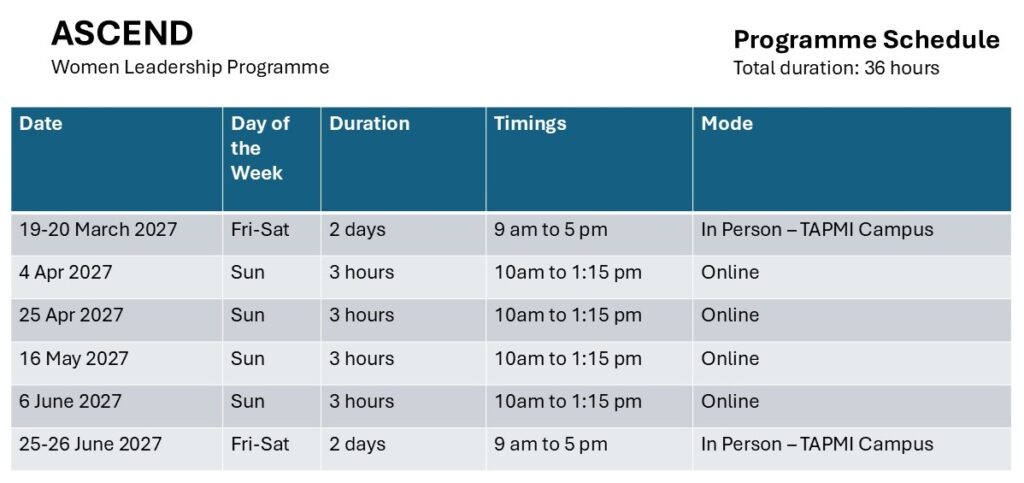
Start Date: Friday, 19 March 2027
Register By: 19 Feb 2027
Early Bird Deadline: 10 Feb 2027
Program Fee
Regular: Rs. 75,000 + GST
Early Bird Fee: Rs. 68,000 + GST
Duration
In-person: 4 days at TAPMI, Bengaluru
+ 12 hours live-online
4 months programme
Click below to “Enroll and Pay” for the program – Enroll and Pay
TAPMI Bengaluru offers the ASCEND programme exlcusively for women managers and leaders to strengthen the pipeline of women leaders across industries. The programme responds to the continuing need for greater diversity in leadership roles and recognises the distinct challenges women may encounter as they progress through managerial and leadership careers.
The programme aims to equip participants with practical leadership capabilities, confidence and support networks to navigate organisational barriers, use their perspectives effectively, and move into positions of greater responsibility. Its design is particularly framed for women leaders working in fast-growth, engineering-led and traditionally male-dominated environments.
Design philosophy
LabinMotion is the marketing partner of TAPMI for this programme.
The programme objective is to develop the women leadership pipeline and accelerate participants into larger managerial, strategic and leadership roles. The programme seeks to:
Intended Organisational Outcomes
The programme is positioned for:
A psychometric and AI-powered assessment will be adminstered to help each participant become self-aware. The assessment test has been designed in partnership with a global career acceleration, leadership development and strategic HR consulting organisation operating in India and the UAE.
The assessments are intended to provide insights into:
The presentation positions these tools as multi-dimensional diagnostics that go beyond surface-level testing and can support informed professional and organisational decisions. The programme schedule also refers to leadership assessment and profile reflection. Specific assessment instruments, report formats, validation details and the number of individual feedback hours are not specified in the presentation.
The programme includes an Integrated Arts-Based Intervention workshop. The presentation describes IABI as an experiential approach that encourages genuine and voluntary participation through four art modalities: visual arts, music, movement and theatre.
Workshop experience
Participants engage in creating an artefact and, through the process, explore one another’s strengths, share responsibilities, exchange ideas, plan the use of resources, make decisions and collaborate. The approach places emphasis on autonomy and the creative process rather than on producing a perfect outcome.
The non-evaluative approach is intended to create a safe space for expression and exploration. Participants are encouraged to examine their actions, ideas, emotions, thoughts, materials and surroundings. The presentation connects this experience with curiosity, openness, the ability to move beyond habitual patterns and agile behaviour.
Workshop objectives
|
Method |
Purpose in the programme |
|
Leadership assessment and profile reflection |
Support self-awareness, strengths identification and reflection on development areas. |
|
Reflective exercises and facilitated dialogue |
Help participants connect experience, leadership identity and career aspirations. |
|
IABI workshop |
Enable experiential exploration of collaboration, communication, adaptability and comfort zones. |
|
Real workplace scenarios |
Practise responses to challenging organisational situations. |
|
Networking maps and branding clinic |
Make professional relationships and expertise visibility more deliberate. |
|
Industry cases and group work |
Connect functional experience with business integration, strategy and digital change. |
|
Problem-solving frameworks |
Practise structured diagnosis, root cause analysis and decision-making. |
|
Role plays and negotiation exercises |
Build practical influence and negotiation capability. |
|
Harvard Business Simulation |
Explore collaboration, team dynamics and leadership choices through simulation. |
|
Leadership assessment debrief |
Reflect on leadership profile insights and development priorities. |
|
Leadership action plan |
Translate programme learning into a forward-looking career and development plan. |
Programme Fee: Rs. 75,000 + GST
Registration Deadline: 19-Feb-2027
Early Bird Discount Deadline: 1-Feb-2027
Early Bird Fee: Rs. 68,000 + GST
The programme fee includes the following:
Exclusions and other terms
We offer an additional 5% discount on group registrations for 3 or more people from a single organisation. Please email support@labinmotion.com for group registrations, and we will guide you through the enrollment process.
T. A. Pai Management Institute (TAPMI) Bengaluru is a modern extension campus of the prestigious Manipal Academy of Higher Education (MAHE), designed to blend management education with urban industry exposure and technology integration.
TAPMI has global dual accreditations from AACSB and AMBA, alongside AICTE approval. TAPMI offers an MBA in Technology Management (MBA-Tech), MBA in Artificial Intelligence and Data Science (MBA-AI & DS) and undergraduate and integrated programs like BBA (Hons) at their Bengaluru campus.
TA Pai Management Institute (TAPMI) has secured the 98th position globally in the Financial Times Masters in Management 2026 ranking.
 CDR. (Dr.) S. Navaneetha Krishnan (Retd.)
B. Tech, DIIT, M. Tech (IIT KGP), MBA and Ph. D (IIT Madras)
Dean- TAPMI Bengaluru
Area: Strategy, Entrepreneurship & Sustainability
(Dr.) S. Navaneetha Krishnan (Retd.) is an Ex Naval officer, Author, Trainer, and Consultant with industrial work experience of more than 25 years before joining academics and a distinguished alumnus of three different IITs in India. His experience and expertise also enabled him to be an excellent corporate trainer, conducting training and workshops for Indian PSUs and MNCs in the area of Innovation, Design Thinking, and Productivity enhancement techniques.
 Prof. Roopa Adyasha, B.E (E.C.E), Ph.D
Associate Professor (OB & HR), Chairperson – Executive education
She has delivered MDP sessions for employees of Tata Inst. – NCBS, Infosys BPO, Karnataka State Accounts Dept., Vijaya Bank STC, Korean company- Nongwoo seed Pvt. Ltd. & senior level executives of Robert Bosch & Biocon. As a training consultant she has developed training content for Accenture BPO, Bangalore and ISKCON (GEV)foundation, Mumbai, and T-Hub MATH Hyderabad.
She has been in the training & education field for the last 20 years working with Premier B-schools like ISB Hyderabad, IIM Bangalore, ICFAI National College, SIBM, Welingkar Institute of Management Development and Research, NMIMS (Bangalore) and many others.
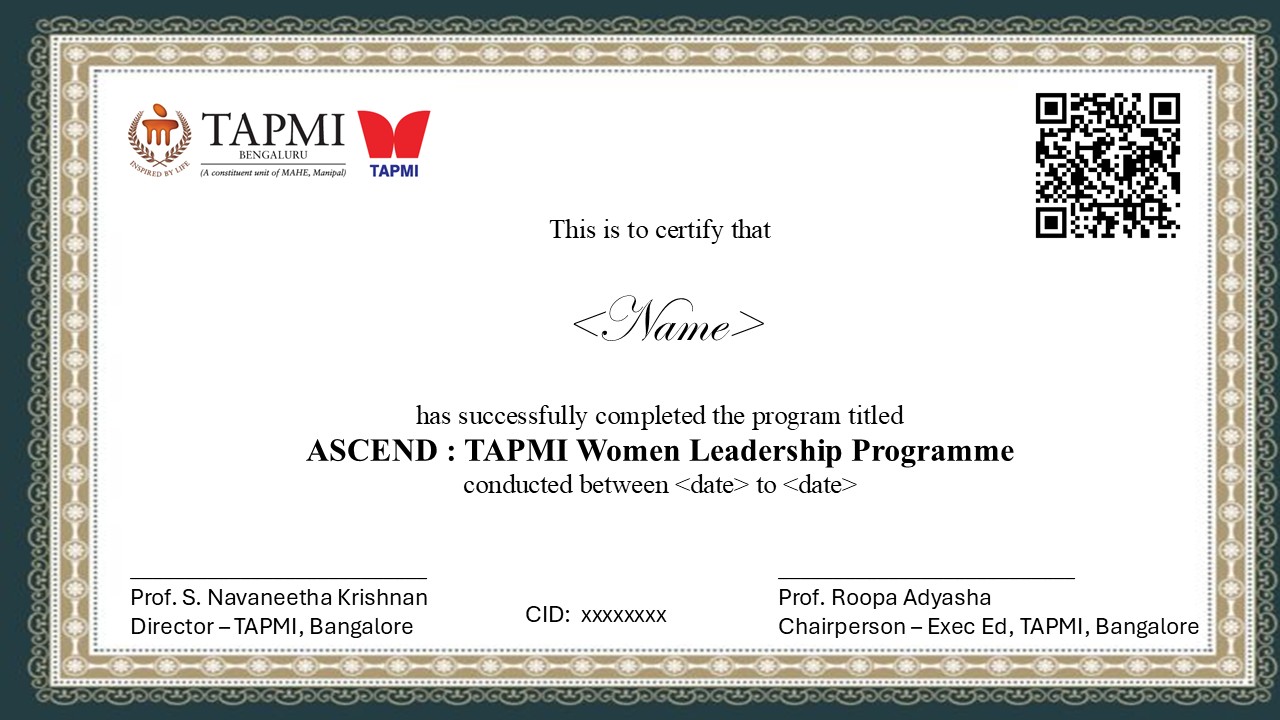
 The sample certificate image is for reference only and may change at the discretion of LabinMotion. The bona fides of the certificate can be verified by clicking on the QR code and entering the unique certificate number on the web page.
Parthasarathy S
Ph. +91 9110614400
Email: partha@labinmotion.com
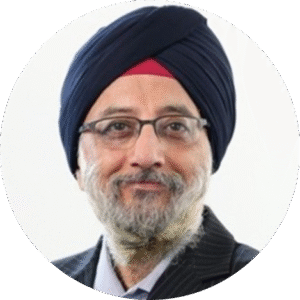 Rajbir Singh, PhD
Rajbir Singh is a founder and Consulting Partner at Value Centria, a boutique business consulting firm that leverages customer centricity and digital to drive growth and innovation. Additionally, he is the co-founder and CEO of the i4 Mentors Foundation, a startup accelerator. As a not-for-profit, i4 Mentors Foundation is working for “Build for India”, and Healthcare is one of their focus sectors.
Before this, Rajbir led Global Business and IT Consulting businesses at IBM, Oracle, HCL Technologies and Tata Unisys for 25+ years. He has led large, multi-cultural teams spread across the globe and has consulted with Fortune 500 clients across industries, including BFSI, Media, Telecom, Utilities, CPG and Manufacturing. His areas of expertise include Customer Strategy, Innovation Strategy, Business Strategy and Change Management. He has received recognition from Forrester, Pega, SAP and HCL Tech for developing innovative products.
Rajbir has been a visiting faculty at IIIT Delhi, IIT Delhi, NSUT and BIMTech. He is also on the board of a few startup incubators.
Rajbir is an Electronics Engineer from IIT Delhi, an MBA from IIM Bangalore and a PhD from IIT Delhi.
Websites: https://www.valuecentria.in/; https://www.i4mentors.com/
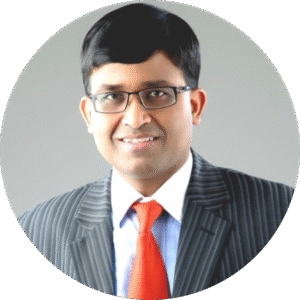 Sudarsan Chakravarthy
Founder, Chief Mentor & Success Coach – myDharma Global
A Spiritual leader, leadership coach, motivational speaker, accomplished global business leader, and an author with keen interests in ancient wisdom, spirituality, science, philosophy, and the arts.
An MBA from the Indian Institute of Management, Bangalore (IIM-B, Class of 93), India’s premier B-School, with a proven track record in building business, driving revenue & profitability growth and maximizing stakeholder delight.
Versatile and highly accomplished Management Professional with 25+ years of experience in the IT industry spanning across India, ME, Europe and North America.
Has rich experience across a wide range of areas – Digital Transformation, Line of Business Management, Business Operations, Sales, Marketing, IT Strategy, Operations, Finance, Product Management, and Service Delivery Management.
Worked with GBM (IBM GMSR) in Dubai for 20+years and championed several key strategies, including Business transformation, SAP implementation, Market Coverage, Growth Initiatives, Merger, Organizational restructuring, Low-cost services delivery, Market Research, IT Strategy, Business Partner / Channel Management, Operational Excellence, Sales Management, CRM, etc.
A motivational speaker with rich experience in running inspiring empowerment workshops; Has been inspiring and enthralling audiences of all age groups – individuals, groups, youth, families, corporate leaders – across several parts of the world with his captivating lectures; Meticulously gleans profound insights from the treasury of ancient wisdom and presents them in a way that illuminates the contemporary mind and resonates with today’s needs, interests, and challenges.
His life’s mission is to instill nobility and greatness across various strata of society.
Skillfully harmonizes the seemingly conflicting material and spiritual worlds and empowers individuals with a revitalising transformation and helps them to strengthen faith in their limitless potential; Is dedicated to unlocking the God given talents and highest abilities in people and empowering them to celebrate life through their unique contributions to the making of a new and beautiful world.

Subha Parthasarathy has been working with children, parents, and adults since 2006 and is the founder of Magichive. She is a Counselling Psychologist with over 20,000 counselling and training hours spent on 1-on-1 sessions with adults/children and group training sessions. Subha is an experienced trainer and facilitator who delivers workshops and programs that focus on enriching relationships with self and others. Her workshops “Chetana” (parenting workshop since 2009) and “Compassionate Communication based on NVC (since 2016)” are centred around increasing self-awareness and equipping participants with tools and insights that can help in leading an enriching life.
Person Centric Therapy, Mindfulness, and Nonviolent Communication form the cornerstones of her work. She is a Vipassana meditator and has certifications on various methods of interventions based on NLP, CBT, TA, NVC, Gestalt, Movement therapy, Reiki, Deep Listening, etc. She has delivered sessions in IIM Bangalore, IIM Kashipur, Infosys, Infosys BPO, Cap Gemini, Northern Trust, HSBC, etc.
Case Study: Case study on Magichive through Ivey Publishing, Ivey Business School, Canada (Click here for details) published in Oct 2024
Podcasts: Subha has hosted more than 20 free podcasts centred around mindfulness hosted on Spotify ( Click here for details)
Book: A book of 19 poems titled “Verses for Better – Parenting Lessons from Parenting Failures“, a collaborative effort between Magichive and Wunderman Thompson, was published in 2018. The book was nominated for two categories in the prestigious National Level Kyoorious Creative Awards 2019.